
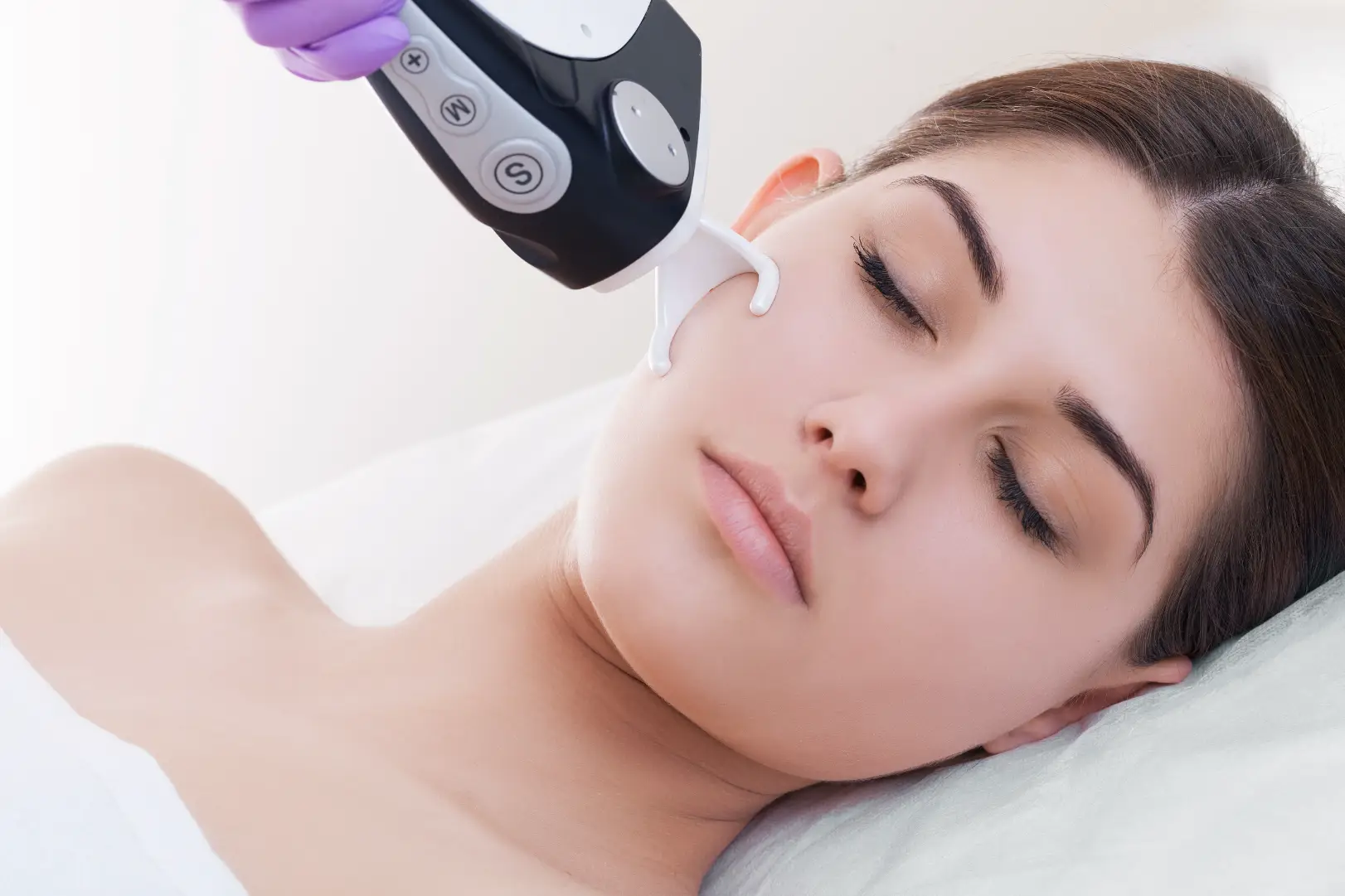
Your skin can look healthy and still have a texture that bothers you. Maybe old acne scars become more noticeable under bright lighting, or fine lines seem to catch your makeup no matter how carefully you apply it.
Even with a consistent skincare routine, certain imperfections can remain because they involve changes beneath the skin’s surface. That’s where laser skin resurfacing may help, offering a way to improve uneven texture, soften visible damage, and support healthier-looking skin.
However, the most meaningful results aren’t always the dramatic transformations you see in promotional photographs. Real improvements happen gradually, and the outcome depends on your skin concerns, the laser used, and how your skin heals.
Keep reading to discover what realistic before-and-after results look like, how treatment progresses, and what you should know before scheduling your appointment.
7 Laser Resurfacing Results You Can Expect
Looking at laser resurfacing before and after photographs can be exciting, but understanding what creates those changes is equally important. From smoother texture to less noticeable scarring, here’s how laser skin resurfacing may improve your complexion and what those improvements can realistically look like.
1. Smoother Skin Texture
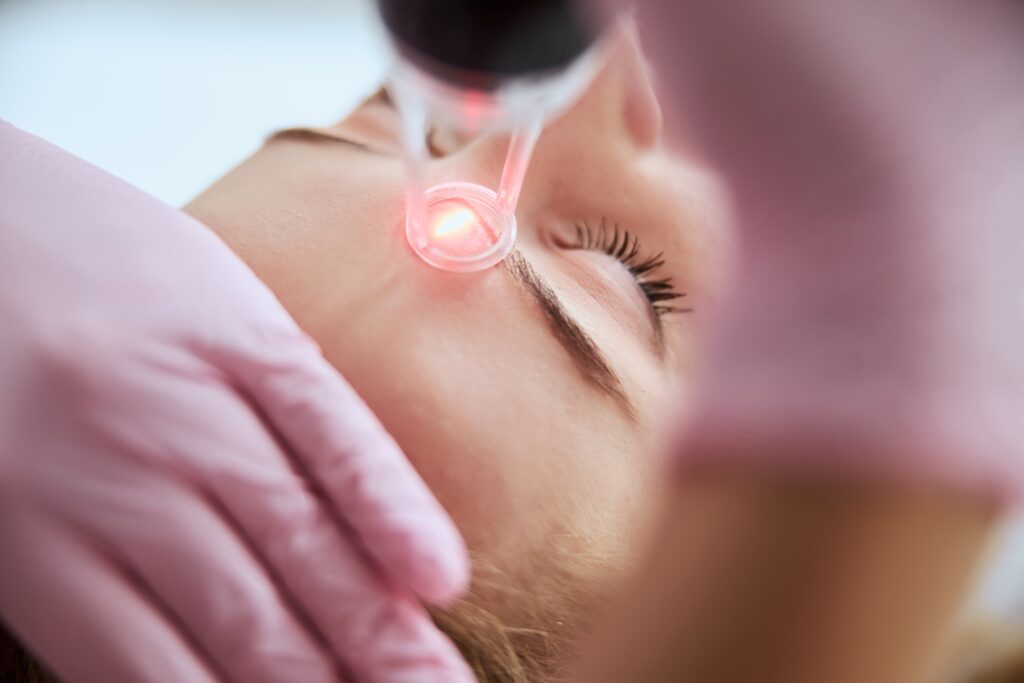
One of the most common reasons patients explore laser resurfacing is uneven skin texture. Rough patches, tiny surface irregularities, and lingering imperfections can make the complexion appear less smooth, even when the skin is otherwise healthy.
Laser resurfacing uses controlled energy to remove or remodel targeted layers of damaged skin. As the treated area heals, new surface tissue develops, and collagen remodeling may gradually improve the skin’s appearance.
For patients with superficial textural concerns, the difference may be noticeable in how the skin reflects light. Areas that previously looked rough or uneven may appear smoother and more uniform.
However, skin texture improvement doesn’t mean every pore, line, or irregularity will disappear. Natural skin has texture, and the goal of treatment is to improve visible concerns rather than create an artificially flawless surface.
The amount of improvement also depends on the laser technology and treatment intensity. More superficial resurfacing may produce modest changes, while deeper procedures can address more significant irregularities at the cost of additional recovery.
A personalized assessment helps determine which approach matches the severity of your concerns. This is particularly important when deciding whether a gentler treatment will provide enough improvement.
2. Softer Fine Lines
Fine lines often develop gradually as collagen production changes and the skin loses some of its elasticity. They may first appear around the eyes, mouth, or other areas affected by repeated facial movement.
Laser resurfacing may soften certain lines by removing damaged surface tissue and encouraging collagen remodeling. As the skin heals, treated areas can appear smoother and less creased.
The improvement is usually more noticeable for superficial lines than for deep wrinkles. Lines caused primarily by repeated muscle movement may require a different treatment approach.
For example, a patient with fine lines around the mouth may notice a smoother surface after resurfacing. However, deeper folds associated with facial volume loss or structural aging are unlikely to disappear through laser treatment alone.
It’s also important to remember that collagen remodeling continues after the visible surface has healed. Some improvements may become more noticeable over the following weeks and months.
Patients should evaluate their results based on their original concerns rather than expecting a complete reversal of aging. A refreshed appearance can be meaningful without requiring every line to vanish.
3. Less Noticeable Acne Scars
Acne scars can remain long after breakouts have stopped. These marks often involve structural changes within the skin, making them difficult to improve with ordinary skincare products. Laser resurfacing may help certain depressed acne scars by remodeling damaged tissue and encouraging collagen production.
As the surrounding skin becomes more even, some scars may appear shallower or less noticeable. However, acne scars come in different shapes and depths. Rolling scars, boxcar scars, and narrow ice-pick scars may respond differently to treatment.
This is why acne scar laser results can vary considerably between patients. A person with relatively shallow scars may experience a more noticeable improvement than someone with deep, sharply defined depressions.
Some scars also require combination treatments. Procedures such as subcision or other scar-focused techniques may be considered when laser resurfacing alone is unlikely to address the underlying structure.
Patients should understand that scar improvement is different from complete scar removal. The goal is generally to reduce the contrast between scarred and surrounding skin. Multiple sessions may be necessary, depending on the treatment approach and scar severity. A consultation can help establish realistic expectations before the first procedure.
4. More Even Skin Tone
Uneven pigmentation can make the complexion appear patchy, particularly when sun exposure has contributed to visible discoloration. Some patients notice isolated brown spots, while others experience a more widespread uneven appearance.
Certain resurfacing lasers can improve selected pigmentation concerns by removing or remodeling damaged surface layers. As healing progresses, treated areas may develop a more even appearance.
However, not every form of pigmentation responds appropriately to the same laser. Conditions such as melasma can worsen with excessive heat or irritation, making accurate diagnosis especially important.
Skin tone also influences treatment planning. Patients with darker skin types may have a greater risk of post-inflammatory hyperpigmentation or other pigment changes after aggressive resurfacing.
A provider should evaluate the type of discoloration before recommending treatment. This helps determine whether resurfacing is appropriate or whether another approach would be safer. Even when treatment successfully improves visible sun damage, future exposure can cause new pigmentation changes. Consistent sun protection remains important for maintaining the results.
5. Improved Appearance of Sun Damage
Years of ultraviolet exposure can affect the skin in ways that aren’t immediately obvious. Over time, accumulated damage may contribute to rough texture, fine lines, uneven pigmentation, and reduced elasticity.
Laser resurfacing can address certain visible effects of sun damage by treating damaged tissue and encouraging renewal. Patients may notice that previously rough areas look smoother and that some superficial imperfections become less prominent.
However, cosmetic improvement doesn’t mean all ultraviolet damage has been reversed. Laser treatment doesn’t eliminate the need for skin cancer screening or ongoing sun protection. This distinction is important because sun damage involves more than appearance. Suspicious spots, changing lesions, or unusual skin growths should be medically evaluated before cosmetic resurfacing.
Patients who spend considerable time outdoors may also need to plan treatment around sun exposure. Recently tanned or sunburned skin may increase the risk of complications. A thoughtful treatment schedule allows the skin to recover under appropriate conditions. It also supports better long-term management of visible sun-related changes.
6. Refined-Looking Pores
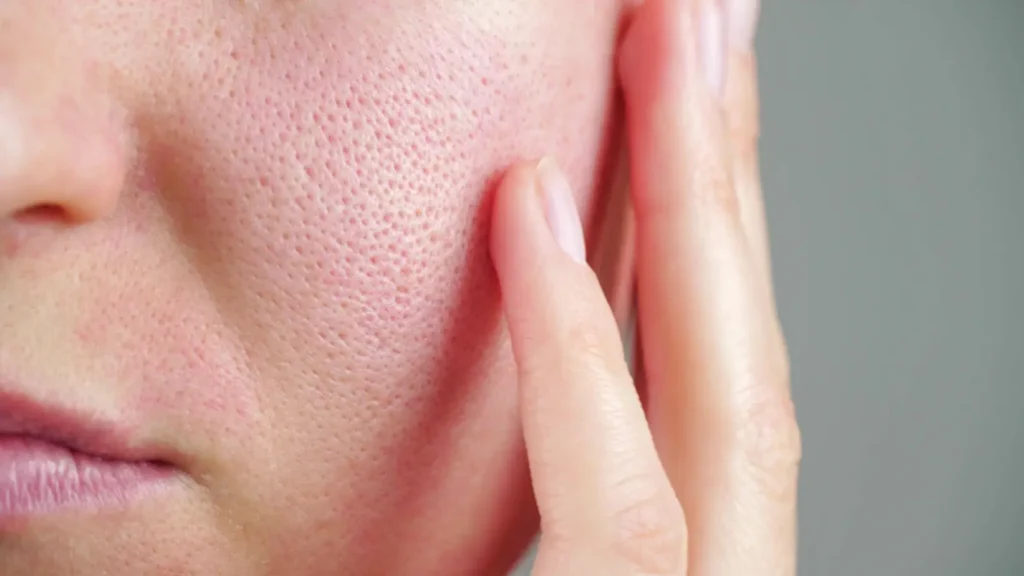
Large or noticeable pores can make skin texture appear uneven, especially around the nose and cheeks. Although pores are a normal part of healthy skin, their appearance can become more prominent with age, oil production, and changes in surrounding tissue.
Laser resurfacing may improve the appearance of some pores by smoothing nearby skin and encouraging collagen remodeling. When the surrounding tissue looks firmer and more uniform, pores may become less visually noticeable. However, treatment doesn’t permanently close pores or eliminate their biological function. Their natural size is influenced by genetics, skin characteristics, and other factors.
Patients with oily skin may continue noticing visible pores even after successful resurfacing. This doesn’t necessarily mean treatment failed, particularly if the surrounding texture has improved. A realistic before-and-after comparison should focus on overall skin quality rather than expecting completely poreless skin.
Even healthy, well-maintained complexions have visible pores under certain lighting. Your provider can explain whether laser resurfacing is likely to improve your specific concern. In some cases, skincare or other treatments may be more appropriate.
7. Firmer-Looking Skin
Skin firmness changes over time as collagen and elastin undergo structural changes. These changes may contribute to fine lines, crepey texture, and a gradual loss of resilience.
Certain laser resurfacing procedures stimulate collagen remodeling as part of the healing response. Over time, this may contribute to a firmer-looking surface and improvements in skin quality.
However, resurfacing should not be confused with a surgical facelift or a dedicated treatment for substantial skin laxity. Its effects are generally more relevant to surface texture and selected signs of aging.
Patients with mild crepiness may notice improvements in how smooth and supported their skin appears. Those with significant sagging may need to consider other treatment options.
The degree of collagen remodeling also depends on treatment depth and intensity. More aggressive procedures may create a stronger remodeling response but generally involve greater recovery demands and risks.
For patients exploring laser resurfacing results in Novi, the most useful goal is improvement that matches their individual concerns. A consultation can help distinguish what resurfacing can accomplish from changes requiring another procedure.
Your Skin, Refreshed
Meaningful skin improvements don’t have to mean completely changing your appearance. Laser skin resurfacing can help soften visible imperfections, improve uneven texture, and support a smoother-looking complexion when the treatment matches your skin’s needs.
At Defy Aesthetic Boutique in Novi, MI, patients can explore personalized Erbium and CO2 laser resurfacing options based on their concerns and desired results.
Schedule a consultation to discover which approach may help you achieve healthier-looking skin with realistic expectations!